
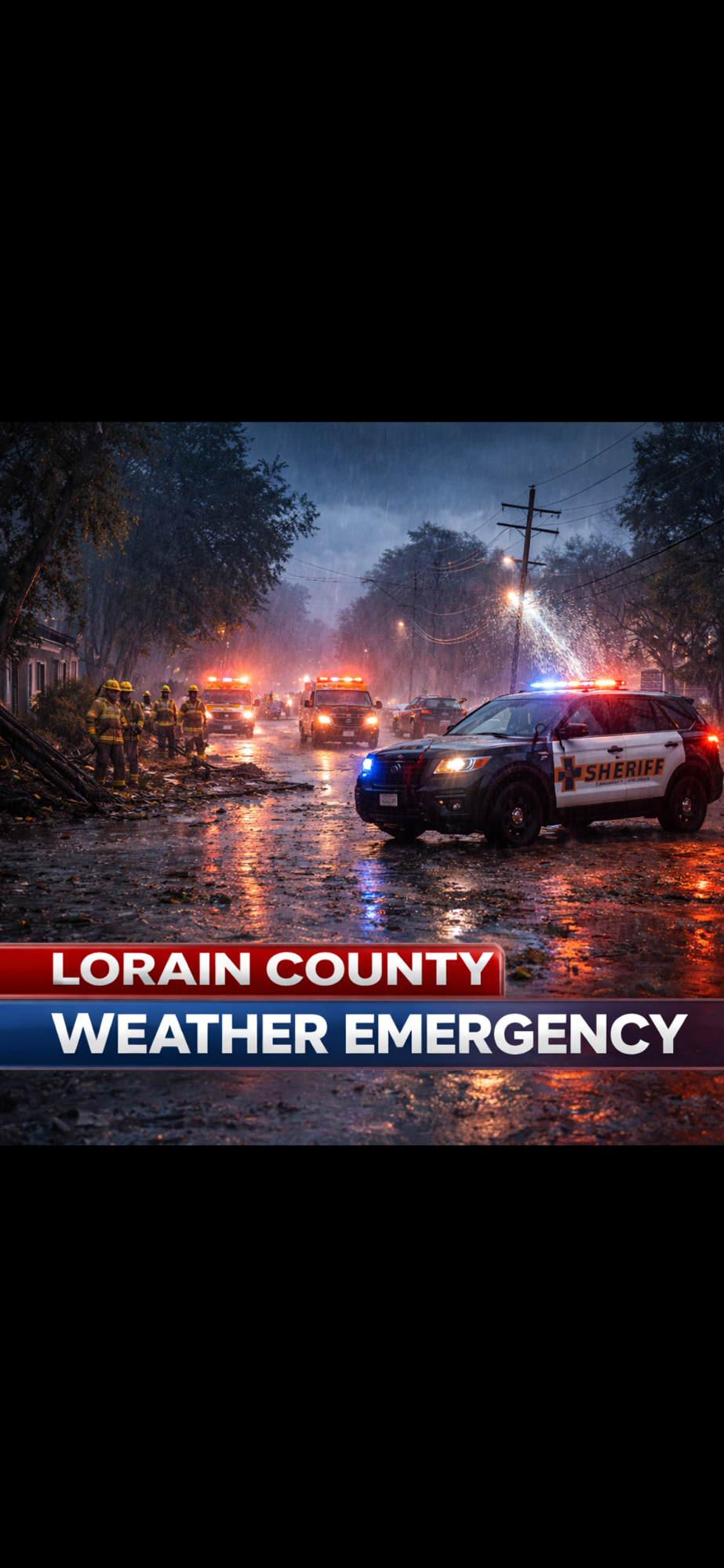
Lorain County Under Level 2 Snow Emergency; Schools Closed, Trash Delayed
By Aaron Christopher Knapp, BSSW, LSW, Investigative Journalist
LORAIN COUNTY, Ohio — Lorain County remains under a Level 2 snow emergency as continued winter weather and extreme cold impact the region, creating hazardous road conditions and prompting officials to urge residents to limit travel. Republic Services has also delayed trash pickup due to unsafe conditions. Residents are advised to place containers at the curb on their next scheduled service day, weather permitting.
In addition, “The decision to drive rests with you and your employer,” Hall said. “Your freedom and liberty to make those choices belongs to you, the people. Should a Level 3 be declared, roadways would be closed to non-emergency and non-essential travel. Until then, your personal safety and welfare is your decision.”y Schools will be closed for a second consecutive day. District officials announced that all buildings and offices will be closed Monday, January 26, and Tuesday, January 27, citing extreme cold and safety concerns. All after-school activities and athletic events are also canceled for both days.
The region remains under a state of emergency issued by Governor Mike DeWine and an Extreme Cold Watch through Tuesday evening. Forecasts call for dangerously cold temperatures, with wind chill values ranging from -15°F to -24°F.
Lorain County Government Office Closures
Due to hazardous winter weather, some Lorain County government offices will be closed:
Closed: All Lorain County Courts – As announced by Judge Glass, all divisions of the Court of Common Pleas (General, Domestic Relations/Juvenile, and Probate) will be closed. Continuances will be granted based on the closure. Lorain County Prosecutor’s Office Open: Lorain County Clerk of Courts and Title Offices Lorain County Administration Building and services of the Lorain County Commissioners
Officials urge residents to monitor the Lorain County Facebook page for updates, as conditions may change overnight.
Ohio Snow Emergency Levels
Ohio uses three classifications for snow emergencies:
LEVEL 1: Roadways are hazardous. Motorists are urged to drive very cautiously.
LEVEL 2: Roadways are hazardous due to blowing and drifting snow, and may also be icy. Only those who believe it is necessary to drive should be on the roads. Motorists should contact their employers to determine if they need to report to work and should exercise extreme caution.
LEVEL 3: All roadways are closed to non-emergency personnel. No one should be driving unless absolutely necessary or in a personal emergency. Employees should contact their employers regarding whether they should report to work. Those who travel on the roads may risk arrest.
Current Snow Emergency Counties
LEVEL 2: Holmes, Scioto, Perry, Monroe (officials urge residents to stay off the roads) LEVEL 3: Coshocton, Jefferson, Guernsey, Licking, Muskingum, Defiance, Meigs, Athens, Belmont, Washington, Noble
Across Ohio, multiple counties are under Level 3 snow emergencies, the most serious designation in the state. Under a Level 3 emergency, all roadways are closed to non-emergency and non-essential travel, and motorists who violate the order may face arrest or misdemeanor charges.
Sheriff Jack M. Hall emphasized that decisions about driving to work during winter weather remain between individuals and their employers, noting that concerns about commuting alone do not trigger a Level 3 declaration.
“The decision to drive rests with you and your employer,” Hall said. “Your freedom and liberty to make those choices belongs to you, the people. Should a Level 3 be declared, roadways would be closed to non-emergency and non-essential travel. Until then, your personal safety and welfare is your decision.”
Sheriff Jack Hall
Several other counties, including Cuyahoga, Lucas, Wood, Auglaize, Mercer, Montgomery, and Preble, remain under Level 2 snow emergencies, where travel is strongly discouraged unless absolutely necessary due to snow-covered, icy, or drifting roadways.
Snow emergency levels are determined by county sheriffs and can change quickly as weather conditions evolve. Officials urge residents to monitor local alerts, avoid unnecessary travel, and allow snowplows and emergency crews to operate safely.
Cold Weather Safety Tips
Officials continue to remind residents to take precautions during the extreme cold:
Limit time outdoors and dress in layers, including hats and gloves Check on elderly neighbors and vulnerable individuals Keep space heaters away from flammable materials and never leave them unattended Prevent frozen pipes by allowing faucets to drip and opening cabinet doors Bring pets indoors or ensure they have proper shelter Never use ovens, grills, or generators indoors due to carbon monoxide risk
Residents are encouraged to check with their county sheriff’s office, school districts, or local emergency management agencies for the most up-to-date information.
Winter Survival Checklist
Before a Storm:
Sign up for local weather and emergency alerts from your county sheriff or EMA. Stock non-perishable food, bottled water (3+ days), medications, flashlights, batteries, warm clothing, and blankets. Insulate pipes, seal windows/doors, and check heating systems. Keep snow shovels, ice melt, and winter driving supplies ready.
During the Storm:
Stay off the roads unless travel is essential. Limit outdoor exposure — wear layers, hats, gloves, and insulated footwear. Use space heaters and generators safely, never indoors without ventilation. Keep phones charged and conserve battery power.
After the Storm:
Inspect property and clear snow safely from walkways and drains. Watch for downed power lines and report immediately. Check on elderly or vulnerable neighbors.
Vehicle Safety Tips:
Check battery, tires, antifreeze, and windshield washer fluid. Keep a winter car kit: blankets, extra clothes, flashlight, sand/kitty litter for traction, and a portable charger. If stranded, stay inside your vehicle and call for help.
Remember: Severe cold and snow emergencies can escalate quickly. Prioritize safety, plan ahead, and follow official alerts from local authorities.
About The Author