

Deadly Shooting in Minneapolis: A Constitutional Rewrite and the Role of Immigration Enforcement
Aaron Christopher Knapp, BSSW, LSW | Investigative Journalist, Government Accountability Reporter | Editor-in-Chief, Lorain Politics Unplugged | Licensed Social Worker (LSW) | Public Records Litigant & Research Analyst
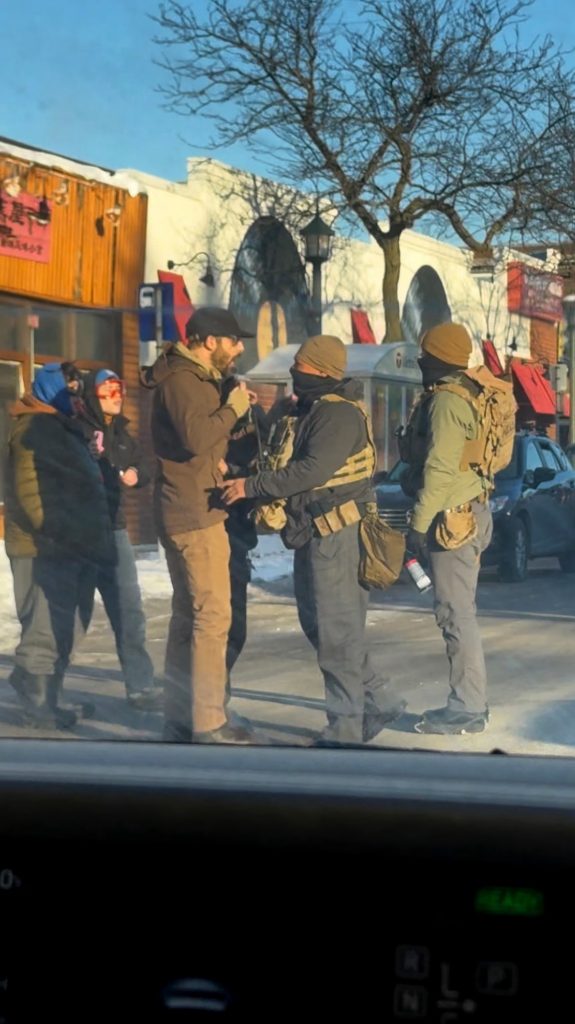
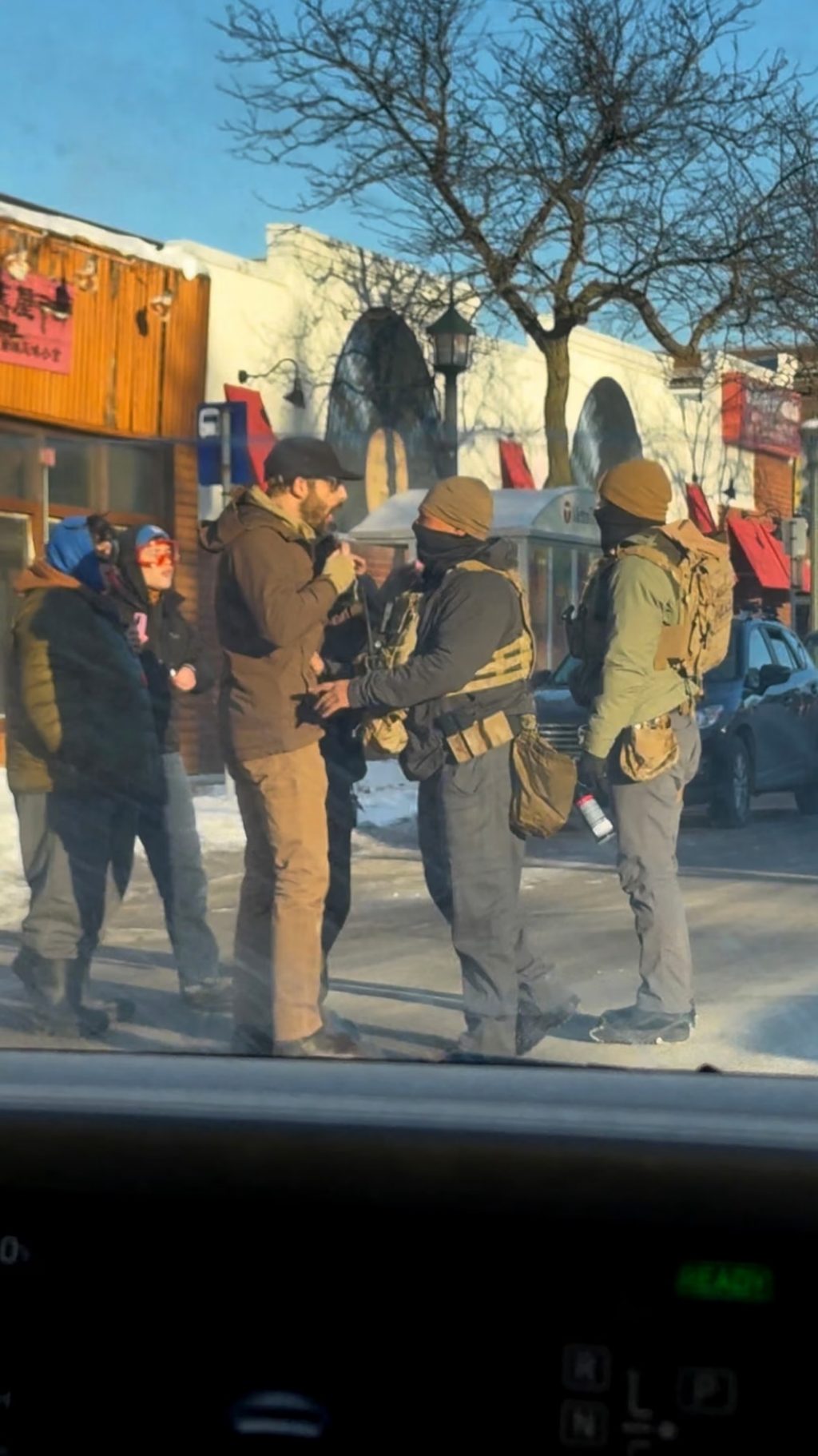
A deadly shooting occurred today in Minneapolis during an immigration enforcement operation. The incident involved Alex Pretti, a 37-year-old ICU nurse who was lawfully carrying a firearm and was fatally shot by a Border Patrol agent. While initial reports have sparked public outcry, it’s important to understand the broader constitutional context surrounding this event, particularly Article 4, the Fourth Amendment, and the principles of due process.
What Should Have Been Reported:
At approximately 9:05 AM CT, DHS officers were conducting an immigration enforcement operation in Minneapolis related to an individual suspected of being unlawfully present in the U.S. This is a federal offense, and the government has the authority to enforce immigration laws under Article 4, Section 4 of the U.S. Constitution, which guarantees that the federal government will protect states from invasion and domestic violence. While the federal government is tasked with ensuring national security and enforcing laws, including immigration laws, this protection does not come at the cost of violating constitutional rights.
At the time of the encounter, it’s unclear whether the officers had positively identified the person they were initially seeking or whether they had established probable cause to stop and question Pretti. Under the Fourth Amendment, law enforcement must have probable cause to make an arrest, search, or seizure, and this legal requirement is crucial for protecting individual rights. Without probable cause, any action taken could violate the constitutional rights of the individual involved.
Alex Pretti, a lawfully carrying VA nurse, approached the scene while carrying a 9mm handgun and two additional magazines. Responsible firearm ownership, including carrying a concealed weapon with a legal permit, is protected under the Second Amendment, and does not, by itself, justify law enforcement action. There was no evidence that Pretti drew, aimed, or used his weapon to threaten officers. The mere presence of a lawfully carried firearm does not provide a basis for lethal force unless there’s a clear threat—something that is not evident from the initial reports.
The incident escalated when officers attempted to disarm Pretti, leading to a physical struggle. While it’s unclear what prompted the use of deadly force, the Fifth Amendment ensures protection against excessive force and guarantees that individuals will not be deprived of life, liberty, or property, without due process of law. The question here is whether the use of deadly force was justified based on the circumstances—particularly when Pretti’s firearm was not shown to have been used in any criminal act.
After the shooting, it was revealed that Pretti had no identification on him at the time, and officers later found he was carrying two magazines. These facts, however, came after the shooting, raising concerns about the rush to judgment in shaping the narrative around Pretti’s actions. Public statements soon characterized Pretti as someone who intended to cause “maximum damage,” even though no evidence of such an intent had been presented.
Such speculation is dangerous and undermines the presumption of innocence, a core principle of due process. It also clouds the issue of whether law enforcement’s actions were in line with the Constitution.
The Role of Article 4 and Immigration Enforcement:
Article 4, Section 4 of the Constitution provides that the federal government has a duty to protect states from invasion and domestic violence. This clause has often been cited in discussions of national security, including the enforcement of immigration laws. However, it’s crucial to understand that Article 4 speaks to protecting the states from external threats and domestic unrest—not a general obligation to protect every individual in every situation.
While the federal government has a role in enforcing immigration laws, the Constitution does not provide carte blanche for federal agencies like ICE or Border Patrol to bypass the fundamental rights of individuals, particularly due process rights and protections under the Fourth and Fifth Amendments.
In the case of Alex Pretti, the question arises whether federal agents overstepped constitutional boundaries in escalating the situation with a lawfully armed citizen who was not posing a threat. The government’s duty to protect national security and enforce immigration laws cannot supersede the constitutional rights of citizens and lawful residents.
The Bigger Picture: Constitutional Protections and Law Enforcement
While immigration enforcement is a legitimate function of the government, it cannot come at the cost of violating constitutional rights. The Fourth Amendment protects citizens from unreasonable searches and seizures, and law enforcement must always have probable cause to justify their actions. Similarly, the Fifth Amendment ensures that individuals are protected from unlawful deprivation of life and require due process before any severe action, such as the use of deadly force.
Public trust in law enforcement depends on their adherence to constitutional principles—especially due process. Law enforcement must be held to the highest standards of accountability, ensuring that their actions align with constitutional protections even while they carry out their legitimate duties.
The tragic death of Alex Pretti underscores the need for a careful balance in the enforcement of immigration laws and the protection of individual rights. The government does have a responsibility to protect the nation, but this cannot be at the expense of its citizens’ rights to due process, freedom from unreasonable searches, and the right to life as guaranteed by the Constitution.
Key Questions Left Unanswered:
How was the original target of the operation identified and why was Pretti approached in the first place? Was the stop conducted based on lawful probable cause, as required by the Fourth Amendment? Why was a lawfully armed citizen subjected to disarmament without any clear imminent threat? How did post-incident facts shape the narrative, and were speculative conclusions drawn without concrete evidence?
This incident highlights the need for balance between immigration enforcement and the protection of individual rights. While illegal immigration is a violation of federal law, constitutional rights, especially the right to due process and protection from unreasonable force, must always be upheld. Article 4, while giving the federal government authority to protect states from invasion, does not give unchecked power to disregard the fundamental rights of individuals.
The events in Minneapolis show why it’s crucial that law enforcement actions, even in immigration enforcement, must be held to constitutional standards to ensure justice and fairness for all.
Legal Disclosures:
Accuracy of Reporting: The content of this article is based on publicly available information, documents obtained through public records requests, and firsthand reports from sources familiar with the event. Every effort has been made to ensure the accuracy of the information presented. However, due to the evolving nature of the story, new developments may alter the context or details provided herein. Opinions and Views: The views expressed in this article are those of the author and do not necessarily reflect the views of Lorain Politics Unplugged, its affiliates, or its contributors. All information, analysis, and opinions presented in this article are provided for informational purposes only and should not be construed as legal or professional advice. Public Records Disclosure: Aaron Christopher Knapp, in his capacity as an investigative journalist, has utilized public records requests to obtain documentation related to this case. All documents referenced are public and have been disclosed in accordance with state and federal open records laws. Ethics and Standards: As a Licensed Social Worker (LSW), Aaron adheres to the highest ethical standards in his reporting and investigative work. All sources are treated with confidentiality, and sensitive information is handled in accordance with the National Association of Social Workers (NASW) Code of Ethics, as well as relevant legal requirements. Copyright Notice: © 2026 Aaron Knapp Unplugged. All rights reserved. No part of this article may be reproduced, distributed, or transmitted in any form without prior written permission from the author.
About The Author